Scientist statement on misuse of new approaches to methane
Global climate mitigation risks being undermined by misuse of new approaches to methane
A rapid and deep reduction in global methane emissions is essential for meeting the temperature goal of the Paris Agreement, reducing peak warming, and avoiding climate tipping points.
We, the undersigned climate scientists and experts, express deep concern that this crucial methane mitigation is being undermined globally by efforts to redefine approaches to greenhouse gas metrics and climate targets.
Across several high-emitting countries – notably the United States, the EU, New Zealand, Ireland, Brazil, Uruguay, Paraguay and Argentina – policymakers and industry groups are promoting new approaches, such as “Global Warming Potential Star (GWP*)”. While these approaches are rooted in legitimate scientific methodologies, they are increasingly being used to justify revised climate targets that aim for “temperature neutrality” or “no additional warming”. In practice, these targets facilitate weakening ambition below what can readily be achieved by high-emitting countries. This entrenches historical privilege and distorts the Paris Agreement’s core temperature and equity principles.
The advancement of these new approaches would allow major methane emitters to continue producing large quantities of greenhouse gases while claiming “climate neutrality.” By focusing only on changes in warming over time, rather than total warming, inappropriate applications of GWP* and “no additional warming” grandfather current methane emissions, rewarding countries and companies with high historical methane emissions and penalising countries with low emissions who need space to develop.
If widely adopted, these methods would:
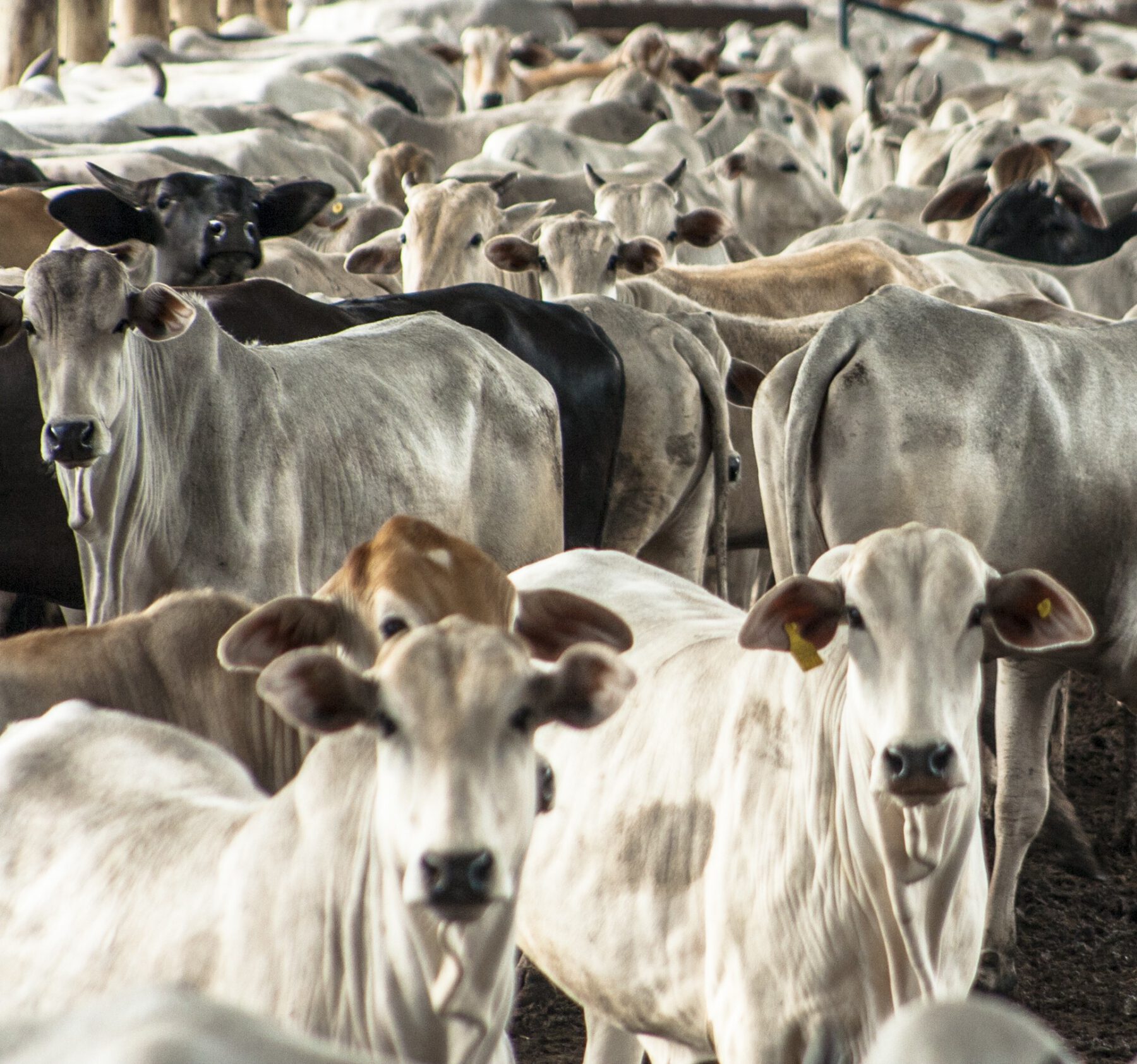
- Downplay the significant climate impacts of methane-intensive sectors, such as ruminant livestock and fossil fuel extraction;
- Allow countries and companies to meet nominal “neutrality” targets while their contribution to warming continues;
- Legitimise minimal methane reductions and undermine progress toward the Global Methane Pledge (−30 % by 2030);
- Undermine Article 4.3 of the Paris Agreement, which requires Parties to pursue their “highest possible ambition”;
- Create regulatory and compliance confusion, and
- Undermine the transition to a sustainable, resilient, healthy and equitable food system.
To uphold scientific integrity and fairness in climate governance, we urge:
Governments:
- Reject the inappropriate application of GWP*, including using “temperature neutrality” as a basis for national targets or reporting;
- Adopt methane targets aligned with the Paris Agreement’s 1.5 °C target, requiring at least 47–60 % global methane reductions by 2050 and that countries pursue the “highest possible ambition”;
- Reaffirm the Global Methane Pledge to cut methane emissions by 30 per cent by 2030.
Companies and financial institutions:
- Align greenhouse gas reporting with UNFCCC methodologies;
- End misleading claims of “climate neutrality” associated with products with methane-emitting production, such as foods or fossil gas;
- Commit to absolute methane reductions and transparent supply-chain disclosure.
Scientists and researchers:
- Uphold the highest standards of responsibility in the development and communication of new approaches to methane by acknowledging their inherent value judgements’
- Anticipate and preclude potential policy misuse of approaches such as GWP* by clearly describing their appropriate application and limitations, and make explicit when their use would be inconsistent with the Paris Agreement;
- Disclose all relevant funding sources and potential conflicts of interests, particularly when research is supported by industries who stand to gain from new approaches to setting climate targets;
We urge all actors to ensure that national and corporate climate strategies reflect the full warming impact of methane and support rapid, sustained reductions consistent with keeping 1.5 °C within reach.
Signatories:
Hannah E. Daly, Professor of Sustainable Energy, University College Cork (Ireland)
Shelby McClelland, PRODiG+ Fellow and Lecturer, School of Marine and Atmospheric Sciences, Stony Brook University (United States)
Matthew Hayek, Associate Professor, Department of Environmental Studies, New York University (United States)
Paul Behrens, British Academy Global Professor at the Oxford Martin School, University of Oxford (United Kingdom)
Colm Duffy, Research Fellow and Lecturer, School of Biological and Chemical Sciences, University of Galway (Ireland)
Carl Doedens, PhD student, University of Melbourne
Róisín Moriarty, Research Fellow Climate Science & Policy, University College Cork (Ireland)
Drew Shindell, Nicholas Professor of Earth Sciences, Duke University (United States)
Patrick Crill, Professor emeritus of Biogeochemistry, Department of Geological Sciences, Stockholm University (Sweden)
Zebedee Nicholls, Lecturer in Climate Modelling, School of Geography, Earth and Atmospheric Sciences, University of Melbourne (Australia)
James Renwick, Professor of Climate Science, School of Geography, Environment and Earth Sciences, Victoria University of Wellington, Te Herenga Waka (New Zealand)
Robert Howarth, Professor of Ecology & Environmental Biology, Ecology & Evolutionary Biology at Cornell University (United States)
Paul Price, Adjunct Faculty, Dublin City University (Ireland)
Pete Smith, Professor of Soils and Global Change, School of Biological Sciences, University of Aberdeen (United Kingdom)
Lena Höglund-Isaksson, Senior Researcher, Pollution Management Group, International Institute for Applied Systems Analysis (Austria)
Dave Reay, Professor in Carbon Management, School of Geociences, University of Edinburgh (United Kingdom)
David Styles, Professor, School of Biological & Chemical Science, University of Galway (Ireland)
Marco Springmann, Professorial Research Fellow in Climate Change, Food Systems and Health, Institute for Global Health, University College London (United Kingdom)
Mike Berners-Lee, Professor, Lancaster Environment Centre, Lancaster University (United Kingdom)
Jennifer Jacquet, Professor, Department of Environmental Science and Policy, University of Miami (United States)
Martin Persson, Professor in Land Use Science, Department of Space, Earth & Environment, Chalmers University of Technology (Sweden)
Annette Cowie, Adjunct Professor, Environmental and Rural Science, University of New England (Australia)
Caspar Donnison, Postdoctoral Researcher, Environmental Economist, Lawrence Livermore National Laboratory (United States)
Donal Murphy-Bokern, Independent agricultural and environmental scientist (Germany)
Barry McMullin, Professor (emeritus), Faculty of Engineering and Computing, Dublin City University (Ireland)
Martin Manning, Adjunct Professor, School of Geography, Environment and Earth Sciences, Victoria University of Wellington (New Zealand)
Andy Haines, Professor of Environmental Change and Public Health, London School of Hygiene & Tropical Medicine (United Kingdom)
Chris Malley, Senior Research Fellow, Stockholm Environment Institute, University of York (United Kingdom)
Carlos Gonzalez Fischer, Research Associate, Department of Global Development, Cornell University (United States)
Further info:
Over X climate scientists and experts from Y countries around the globe have come together to support this statement. The statement expresses concern that crucial methane mitigation is being undermined globally by efforts to redefine approaches to greenhouse gas metrics and climate targets – such as through inappropriate applications of GWP* and “no additional warming” targets.
Statement signatories have provided their endorsement for the statement as individual experts. The institutional affiliations of statement signatories are provided for identification purposes; position not endorsed by named institutions.
The statement was co-authored by the following core writing-group of academics: Prof. Hannah E. Daly, Dr. Shelby McClelland, Prof. Matthew Hayek, Prof. Paul Behrens, Dr. Colm Duffy, Carl Doedens, and Dr Róisín Moriarty.